
The Power of Team Building in School Communities
Category:
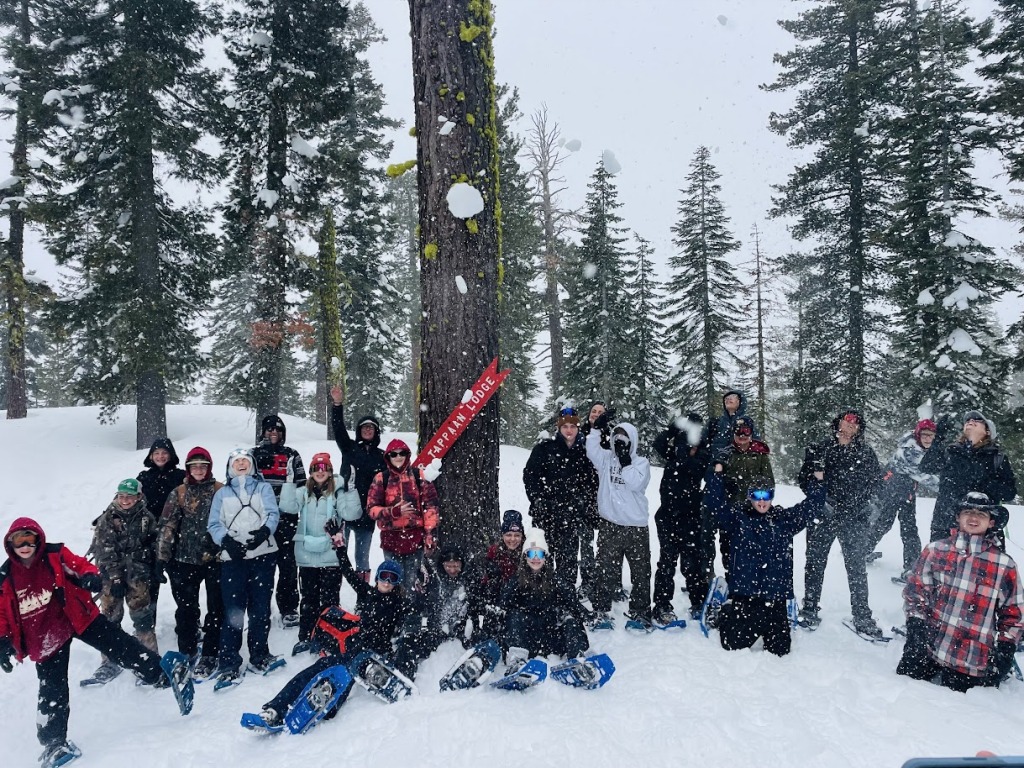
When schools take learning outside the classroom and into the natural world, something truly transformative happens. Students open up, teachers connect more deeply with their classes, and the entire group experiences a sense of unity that is difficult to replicate within four walls. Outdoor team building, especially in a location as inspiring as the Lake Tahoe and Truckee area, offers schools a unique opportunity to foster stronger connections, develop essential life skills, and improve overall classroom dynamics. By incorporating outdoor team building and experiential learning into school programs, administrators can create environments where students thrive academically, socially, and emotionally.
Outdoor team building is more than a day away from the classroom. It is a structured approach to helping students develop collaboration skills, critical thinking, and confidence while engaging with the natural environment. In school communities, team building activities encourage participants to step outside their comfort zones, embrace challenges, and work toward collective goals. These experiences are particularly powerful in settings like Lake Tahoe, where the combination of mountains, lakes, and forests provides a dynamic and engaging learning space that fosters exploration, creativity, and resilience.
A Fresh Environment Sparks Engagement
Following the same routine every day can make students lose interest and stop paying attention in class. Students become accustomed to predictable schedules and clearly defined roles, while teachers follow lesson plans and adhere to strict agendas. Over time, this predictability can reduce participation, creativity, and energy levels in students. Outdoor team building breaks these patterns by introducing a fresh environment that stimulates curiosity, encourages exploration, and motivates active participation.
When students spend time in outdoor education programs in the Lake Tahoe and Truckee region, they benefit from fresh air, open spaces, and hands on learning opportunities. The natural surroundings provide a sense of freedom, which allows students to communicate, move, and interact in ways that are not possible in a traditional classroom. Even students who are typically quiet or reserved often find their voices in this setting, while teachers gain insights into individual strengths and leadership potential that may not be apparent during standard lessons. Outdoor team building ignites student engagement by combining physical activity, problem solving challenges, and interactive learning in a way that is both fun and meaningful.
The change of scenery alone can increase energy levels and motivation. Students are more attentive, willing to participate, and enthusiastic about learning when they feel connected to the environment and engaged in collaborative activities. For teachers, these experiences provide an opportunity to observe student behavior, strengths, and social dynamics in a natural, less structured setting. Outdoor education encourages creative thinking, improves focus, and fosters curiosity, making it an effective complement to classroom-based instruction.
Stronger Bonds Through Shared Challenges
The Lake Tahoe and Truckee region offers an ideal setting for outdoor school team building programs. Its natural beauty, diverse landscapes, and recreational opportunities provide the perfect backdrop for learning, exploration, and collaboration. Outdoor activities, whether hiking, kayaking, cooperative problem-solving challenges, or environmental exploration, give students opportunities to work together in ways that strengthen social bonds and teamwork skills.
When students face challenges in nature, they learn to rely on one another and communicate effectively to achieve shared goals. Collaboration develops naturally without feeling forced or artificial. Students practice listening, supporting their peers, and taking initiative. Leadership emerges in context, and students gain confidence in their abilities while recognizing the strengths of their classmates.
Teachers benefit by observing students in dynamic, real world situations. These shared challenges reveal leadership qualities, communication styles, problem solving abilities, and social dynamics that may not be obvious in the classroom. Teachers also experience personal growth by connecting with their students outside the traditional learning environment. Working alongside students to navigate challenges builds trust and mutual respect, strengthening teacher student relationships.
These shared outdoor challenges create a collective sense of accomplishment. Success is no longer measured individually but as a group achievement. Students celebrate their contributions while recognizing the importance of teamwork, communication, and perseverance. These experiences leave lasting memories and encourage students to continue collaborating and supporting one another long after the program ends.
Building Confidence and Social Skills
Outdoor team building programs help students develop essential life skills that extend beyond academics. Skills such as resilience, empathy, critical thinking, problem solving, and self-confidence are cultivated through hands on activities and collaborative challenges. Students learn to navigate unfamiliar situations, make thoughtful decisions, and take calculated risks in a safe and supportive environment.
For students who may struggle academically or socially, outdoor team building provides opportunities to shine. These experiences highlight strengths that are not always visible in a classroom setting, such as spatial reasoning, creativity, communication, and emotional intelligence. Students who may not excel in traditional assessments can demonstrate leadership, problem solving, and teamwork skills that boost their confidence and sense of self-worth.
Teachers also gain valuable insight into their students’ abilities beyond grades and standardized metrics. Observing students in dynamic, real world situations reveals strengths, preferences, and learning styles that can inform future classroom instruction. This understanding allows teachers to better support students and create more inclusive and effective learning experiences.
Outdoor team building encourages students to step outside their comfort zones while feeling safe and supported. This combination of challenge and guidance promotes growth, self-efficacy, and confidence. As students succeed in overcoming obstacles together, they internalize important social and emotional skills that help them navigate both school and life.
A Healthier School Culture
Team building outside the classroom has a profound impact on school culture. When students and teachers engage in meaningful outdoor experiences, relationships are strengthened, communication improves, and the sense of community deepens. These changes positively influence classroom dynamics, making learning environments more collaborative, supportive, and engaging.
Students who participate in outdoor education programs return to the classroom with greater willingness to help one another, communicate openly, and collaborate effectively. Teachers gain a deeper understanding of student dynamics and are better equipped to facilitate group learning, resolve conflicts, and nurture leadership potential. The benefits extend beyond the classroom to influence the broader school community, fostering a culture of mutual respect, trust, and shared responsibility.
Regular outdoor team building experiences can create momentum that lasts throughout the school year. Positive behaviors and habits developed during these programs, such as collaboration, problem solving, and mutual support, carry over into daily academic activities. This continuity strengthens the overall school culture and supports long term student engagement and success.
Lasting Impact Through Outdoor Experiences
At its core, outdoor team building provides school communities with opportunities to reconnect, recharge, and grow together. Experiencing challenges, exploration, and collaborative problem solving in a natural setting strengthens the foundation of trust, communication, and teamwork that supports all aspects of school life.
The Lake Tahoe and Truckee environment adds inspiration and excitement to these experiences. Its scenic mountains, lakes, and forests encourage curiosity, creativity, and resilience. Students and teachers alike are challenged to see each other in new ways, fostering empathy, understanding, and stronger interpersonal relationships.
When schools step outside their typical routines and embrace outdoor adventure, they create lasting benefits. Students develop skills and confidence that support academic and personal growth, teachers gain insight into their students’ strengths and learning styles, and the entire school community strengthens its sense of cohesion. Outdoor team building provides the experiences and tools needed to create a more connected, collaborative, and resilient school culture.
Outdoor team building also encourages students to develop a stronger connection with nature, which has been shown to enhance mental health, focus, and overall wellbeing. Spending time outdoors allows students to slow down, reflect, and approach challenges with a fresh perspective, fostering mindfulness and emotional regulation. These benefits extend beyond individual growth, as students bring a calmer, more focused, and collaborative mindset back into the classroom. By integrating outdoor experiences into school programs, educators can support holistic development, combining academic learning with social, emotional, and environmental awareness, ultimately creating a more balanced and resilient school community.
Additionally, outdoor team building experiences can inspire a lifelong love of learning and exploration. When students engage with their peers in hands on challenges, navigate natural environments, and solve problems together, they develop curiosity, initiative, and a sense of ownership over their learning. These experiences teach students that learning does not only happen in a classroom but can occur anywhere, fostering creativity, adaptability, and a growth mindset. By encouraging students to explore, experiment, and reflect in real world contexts, outdoor team building prepares them not only for academic success but also for future personal and professional challenges.
The Lasting Benefits
Outdoor team building in school communities is a powerful tool for enhancing learning, strengthening relationships, and cultivating essential life skills. By engaging students and teachers in shared challenges and experiences, schools can create an environment that promotes collaboration, communication, and personal growth. Programs in the Lake Tahoe and Truckee region combine natural beauty with purposeful activities, inspiring students and educators alike to build trust, confidence, and teamwork.
Investing in outdoor team building is an investment in the school community itself. It supports student engagement, improves classroom dynamics, nurtures leadership potential, and fosters a healthier school culture. By stepping outside the classroom and embracing the natural world, schools can unlock the potential of every student, strengthen connections, and create lasting impacts that benefit the entire school community for years to come.
Share this:
Visitors Love To Adventure With Us

Blog
- The Smartest Investment: Why Team Building Drives Stronger Companies
- The Power of Team Building in School Communities
- Inherent vs. Formal Team Building: Choosing the Best Outdoor Experience
- Creating Stronger Family Bonds with Team Building
- Tahoe Daily Tribune: State of the Lake report shows extreme highs and lows of the basin, 2023 on track to follow in historic data
- Tahoe Daily Tribune: Report: Pollution from sediment in Lake Tahoe reduced by 600k pounds in 2021
- Moonshine Ink: Mission Accomplished
- East Bay Times: Bear canisters now mandatory at popular Tahoe backpacking area
News


2026 © All Rights Reserved. Terms of Service